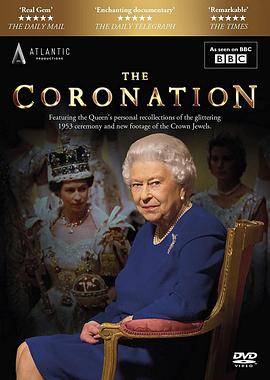
Exploring the role and symbolic meaning of the Crown Jewels in the centuries-old coronation ceremony, The Coronation shows these objects of astonishing beauty in new high-resolution footage. The film tells the extraordinary story of St Edward's Crown, which was destroyed after the English Civil War and remade for the Coronation of Charles II in 1661. It has only been worn by Her Majesty once, at the moment she was crowned.
On 2 June 1953, on one of the coldest June days of the century and after 16 months of planning, The Queen set out from Buckingham Palace to be crowned at Westminster Abbey, watched by millions of people throughout the world. A ceremony dating back more than a thousand years was to mark the dawn of a new Elizabethan age.
Viewing both private and official film footage, The Queen recalls the day when the weight of both St Edward's Crown and the hopes and expectations of a country recovering from war were on her shoulders, as the nation looked to their 27 year-old Queen to lead them into a new era.
In the film, The Queen says: 「I've seen one Coronation, and been the recipient in the other, which is pretty remarkable.」
For audiences unfamiliar with the story of the Crown Jewels and the regalia, the film explains their contemporary relevance to the UK as a nation and to the enduring purpose and the work of monarchy. They are symbols of the relationship between the Sovereign and the people, and the duties and responsibilities of leadership.
The film also features eyewitness accounts of those who participated in the 1953 Coronation, including a maid of honour who nearly fainted in the Abbey, and a 12 year-old choirboy who was left to sing solo when his overwhelmed colleagues lost their voices.
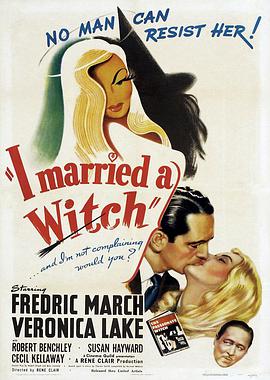
In 1672, two witches (Jennifer and her father Daniel) were burned by puritan Jonathan Wooley. In revenge, Jennifer cursed all future generations of the Wooley family, that the sons will always marry the wrong woman and be miserable. In the 20th century, a bolt of lightning frees Jennifer and her father from the tree that had kept their souls imprisoned. Jennifer assumes corporeal form and decides to make up-and-coming politician Wallace Wooley, then unhappily engaged, even more miserable by getting him to fall in love with her before his wedding. Wallace is a straight arrow, though, and Jennifer has to resort to a love potion. As we all know, love potions tend to backfire, with comedic results.


![黑仙女[电影解说]](https://img.lzzyimg.com/upload/vod/20230314-1/f6ba48ff88b5420f08d8063fb6548fd9.jpg)




![陆小凤传奇之绣花大盗[电影解说]](https://img.lzzyimg.com/upload/vod/20230107-1/1c410b73b81ca829d025b86cbeef2bb0.jpg)


![惊涛大冒险[电影解说]](https://img.lzzyimg.com/upload/vod/20240402-1/94fa3e108bee9d6333526fdc2bb28b73.jpg)
![仓皇一夜[电影解说]](https://img.lzzyimg.com/upload/vod/20230101-1/d2e038adc4217ad8194c09facd4bf699.jpg)
![不耻真相[电影解说]](https://img.lzzyimg.com/upload/vod/20221218-1/97ee5e4008bf0224ce3d94c94fbb9a6c.jpg)
![逮捕王[电影解说]](https://img.lzzyimg.com/upload/vod/20230713-1/f435516682d766c0e97814e119a410ab.jpg)

![逃出立法院[电影解说]](https://img.lzzyimg.com/upload/vod/20240625-1/89d1112e4361251d8ad8a10d0d407428.jpg)





![一键成名[电影解说]](https://img.lzzyimg.com/upload/vod/20230110-1/4cc832a5935c3dc07a73abf280a6128a.jpg)

![山炮进城[电影解说]](https://img.lzzyimg.com/upload/vod/20230117-1/ce5286bda8a60e5cfec30dc9ffcbe0ff.jpg)
![乌鸦1943[电影解说]](https://img.lzzyimg.com/upload/vod/20230601-1/08850361c63c6bb500295a629ee33a73.jpg)
![疾速追杀4[电影解说]](https://img.lzzyimg.com/upload/vod/20230525-1/1690cc9fcf857af55ab9c57333578b79.jpg)
![向左爱·向右爱[电影解说]](https://img.lzzyimg.com/upload/vod/20230508-1/f18510b5aa6238e59eb6c6050315a41b.jpg)